
The Silent Convergence: Navigating the Multi-Faith Stones of Saidpur Village
AKSE Editorial
Nestled in a lush ravine of the Margalla Hills, Saidpur Village is a living museum of human coexistence. Founded in 1530 by Mirza Fateh Ali...
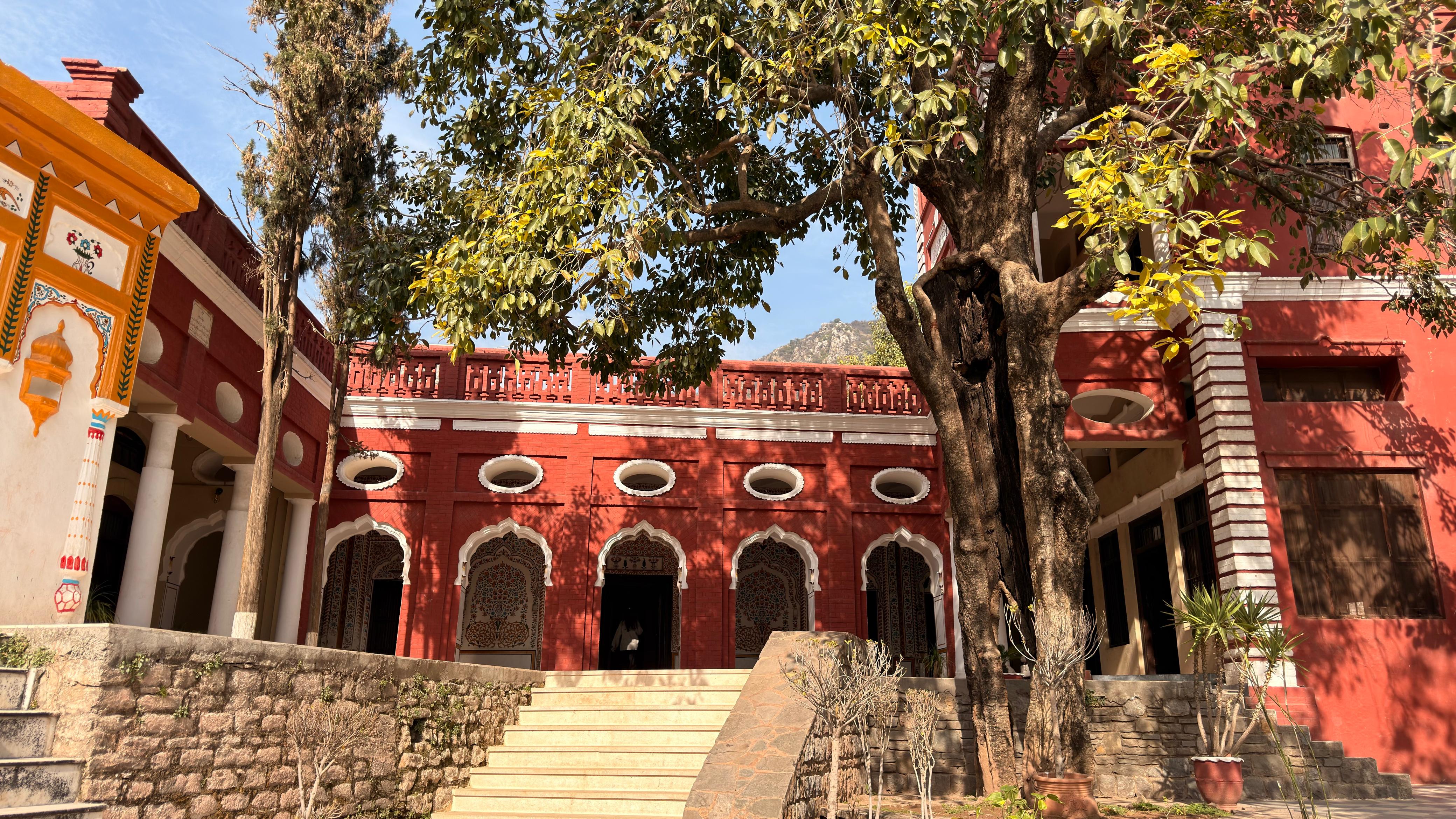
The Ravine of Memories
Nestled in a lush ravine of the Margalla Hills, Saidpur Village is a living museum of human coexistence. Founded in 1530 by Mirza Fateh Ali, this village has served as a sanctuary for half a millennium. Long before it became a destination for modern leisure, it was a sacred site where Hindu pilgrims bathed in the Rama Kunda ponds and Sikh devotees gathered in the Gurdwara.
The Layers of Stone
What makes Saidpur extraordinary is the visual dialogue between three faiths. In a respectful, silent huddle, you will find the Rama Mandir (the Hindu temple), the Sikh Gurdwara, and a Mughal-era Mosque standing side-by-side. The architecture itself is a hybrid, blending Mughal influences with local Himalayan stone-craft.
A Village of Artisans
The village’s character is defined by its narrow, cobbled streets and dramatic elevation changes. In the "Artisan’s Alley," potters still work their wheels just as they have for generations, surrounded by ancient mud-brick walls that have stood the test of time. Saidpur remains a fragile treasure; it is a village that has refused to let its history be forgotten, serving as an archive of a time when different cultures lived in seamless harmony.
Archives
Photo Gallery
The cobbled streets of Saidpur Village
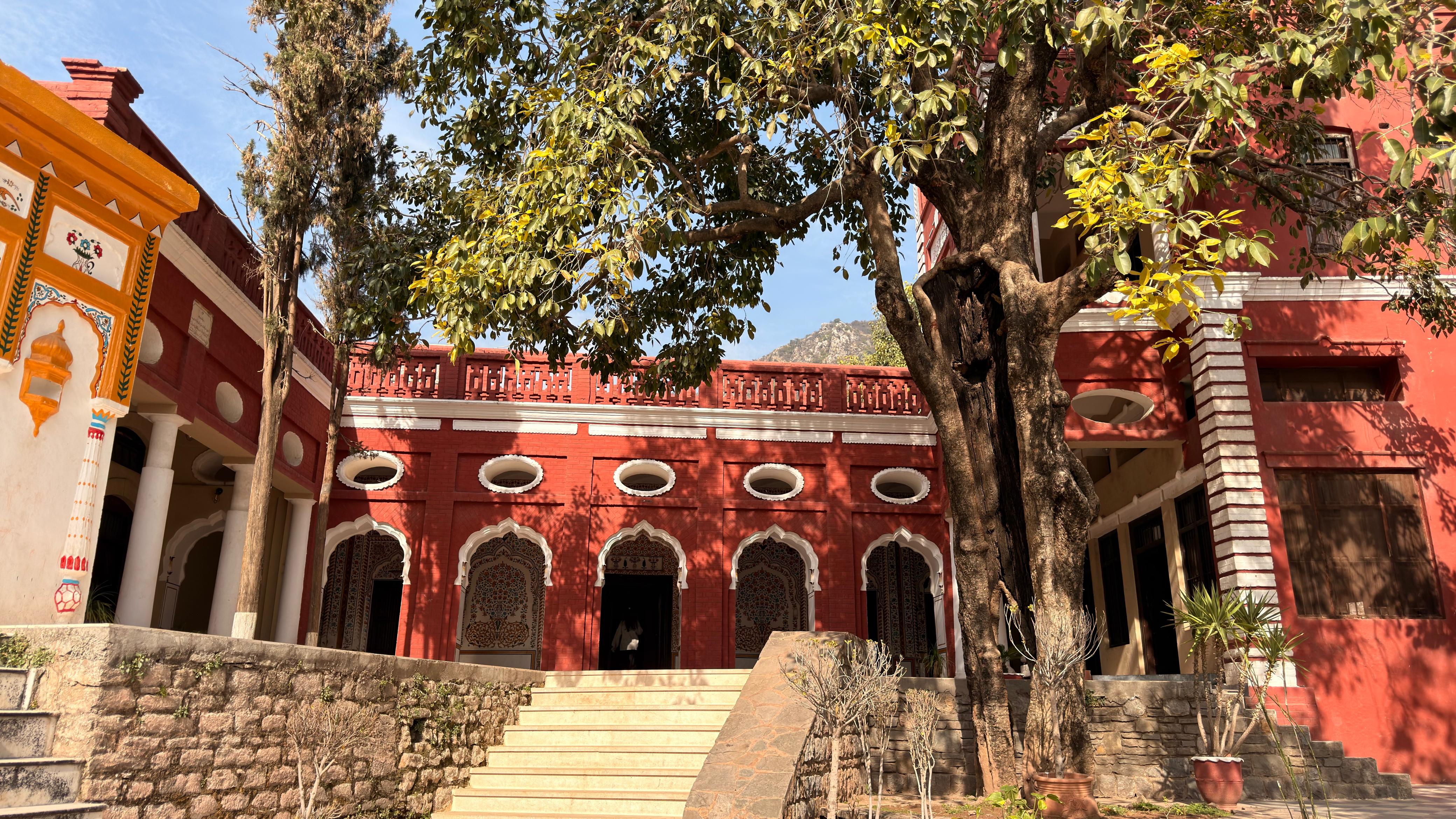
Mughal-era stonework at the village entrance
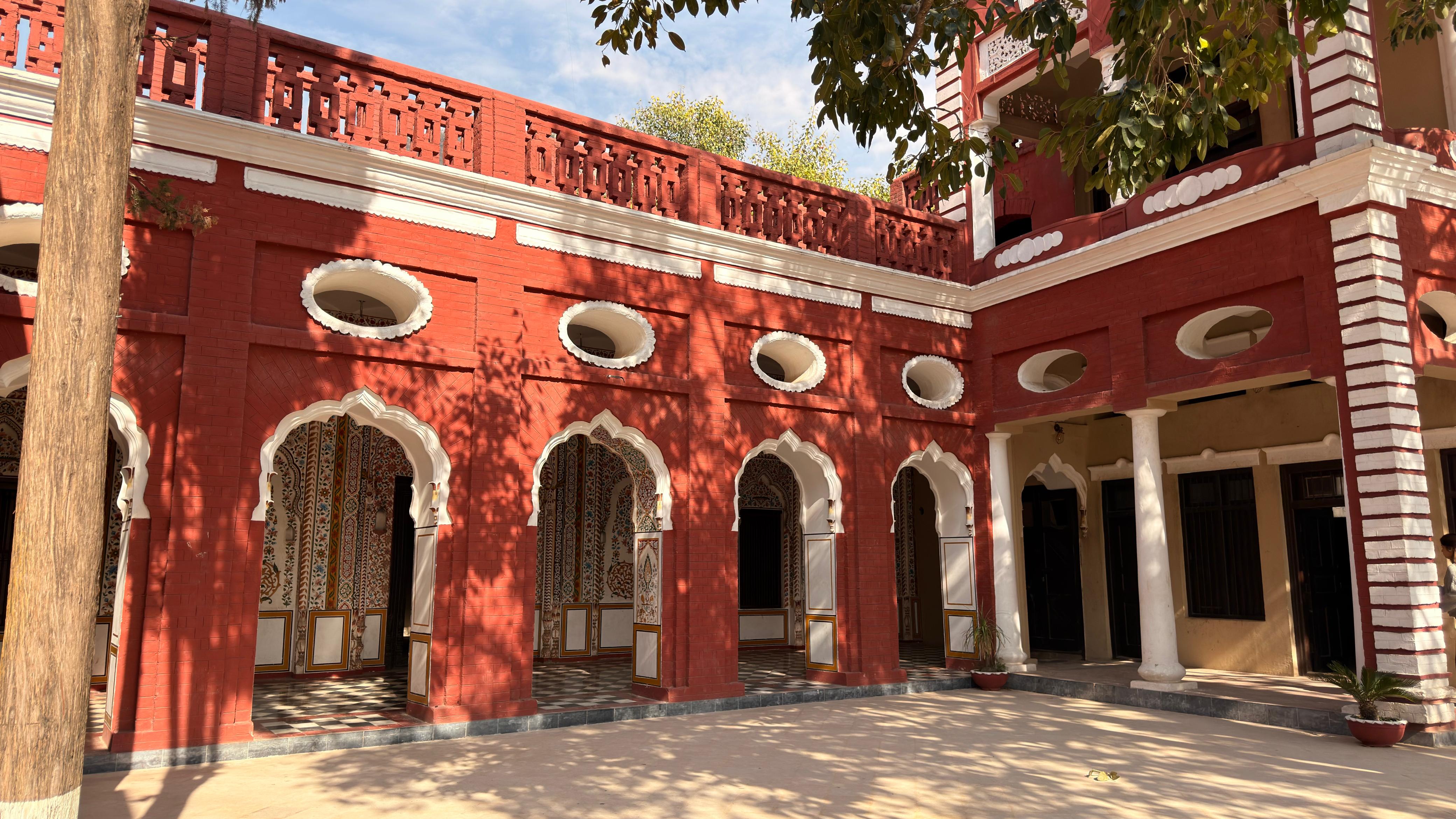
The Rama Mandir temple compound
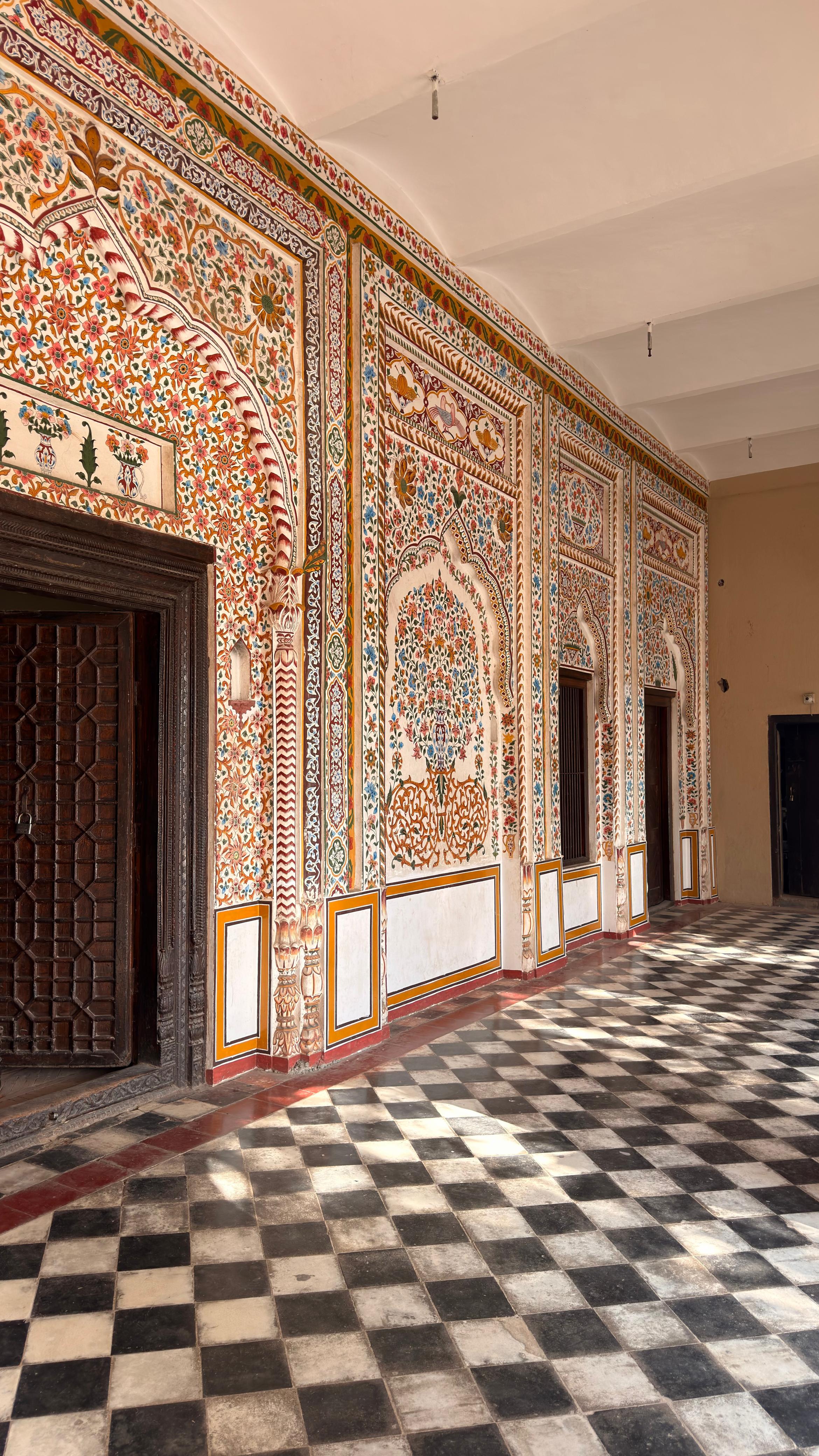
Artisan's Alley — potters at work
Multi-faith architecture side-by-side
Ravine of the Margalla Hills
Interested in preserving your heritage site?
Start a Project