
The Steam and the Soul: A Pilgrimage to Golra Sharif Junction
AKSE Editorial
There is a specific kind of silence at Golra Sharif—a quietude that only exists where a century and a half of history rests under the shade of ancient Banyan trees.
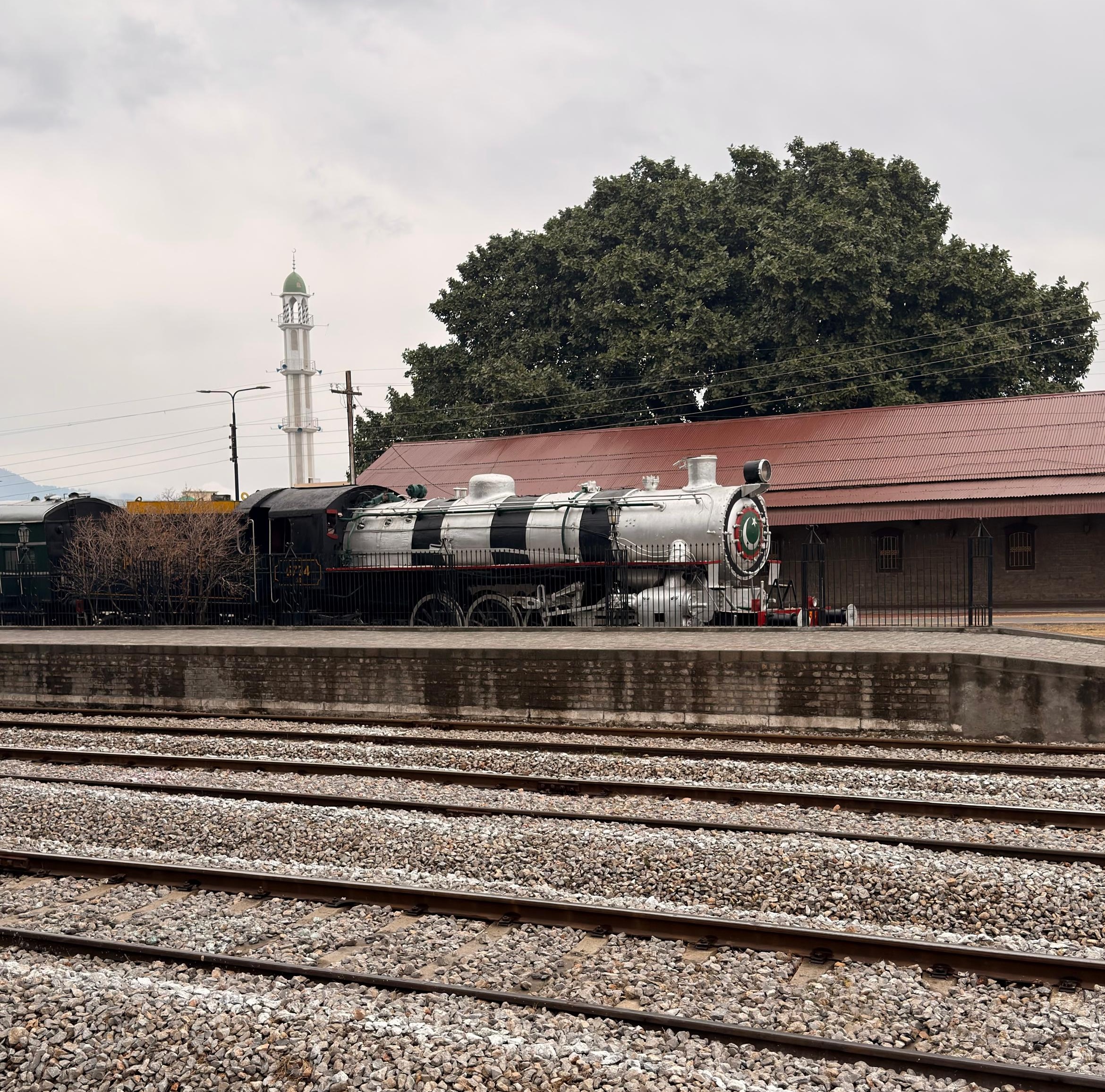
The Atmosphere of 1882
There is a specific kind of silence at Golra Sharif—a quietude that only exists where a century and a half of history rests under the shade of ancient Banyan trees. As you walk toward the Victorian-era station, the air feels heavier, thick with the scent of rusted iron and aged teak. Built in 1882 during the height of the British Raj’s railway expansion, this junction was a colonial outpost of engineering marvel.
The Architectural Narrative
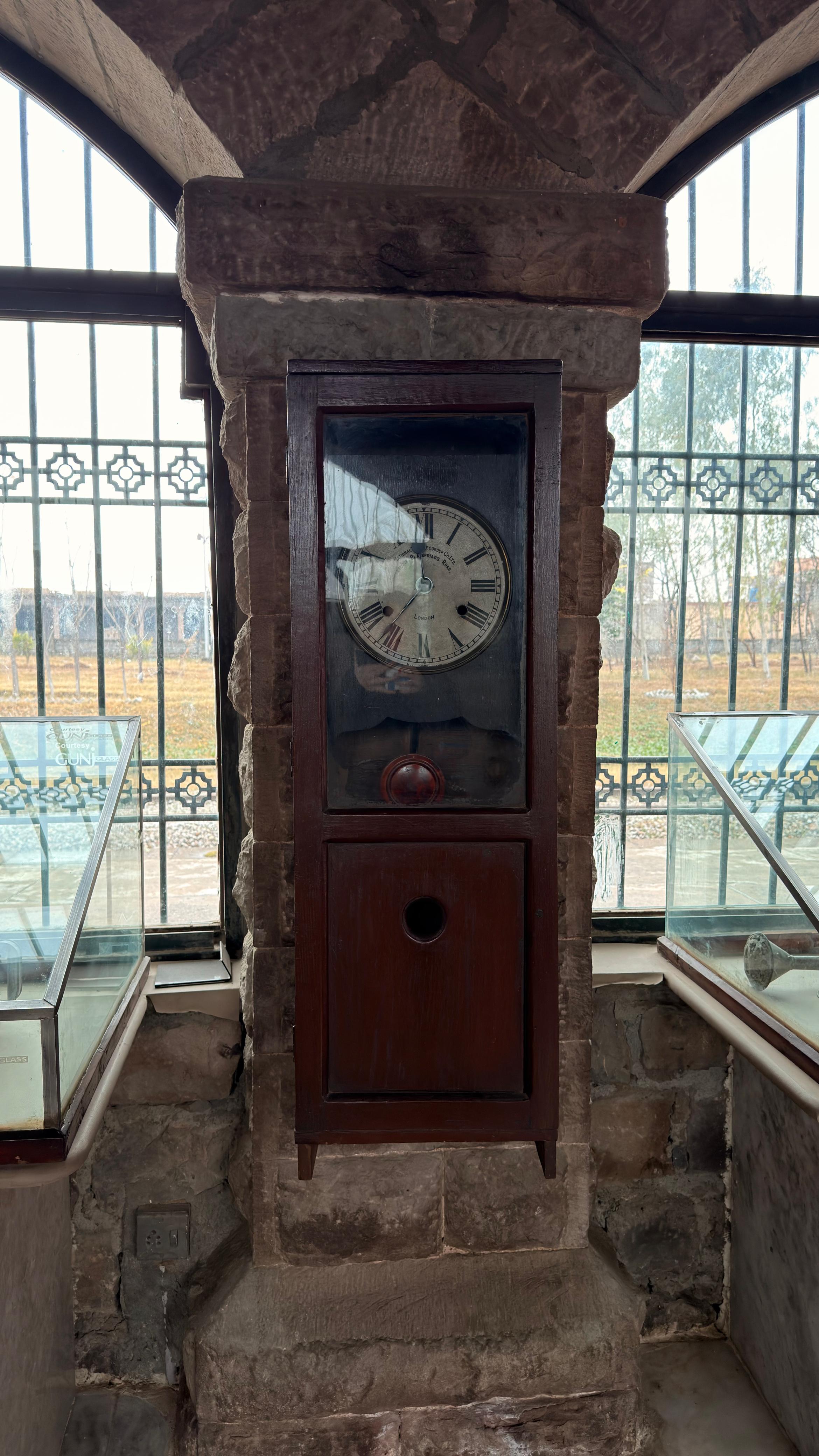
The station’s yellow sandstone masonry and its signature arched windows reflect the "Railway Gothic" style of the late 19th century. These platforms have hosted monumental figures; both Lord Mountbatten and Quaid-e-Azam Muhammad Ali Jinnah once stood upon these very stones. If you look up at the gabled roofs, you can still find vintage mechanical clocks—many of which remain frozen at the very hour the British departed in 1947.
The Royal Legacy
One of the site's most remarkable treasures is the 1888 Royal Saloon, which was originally a wedding gift from the Maharaja of Jodhpur. It remains a testament to a bygone era of luxury, featuring intricate ceiling carvings and original brass fittings that speak to the craftsmanship of the late 1800s. Golra stands as a bridge to our industrial past, ensuring the "Golden Age of the Rail" remains part of the Pakistani identity.
Archives
Photo Gallery
The Victorian-era station platform, 1882
Mechanical clock frozen at 1947
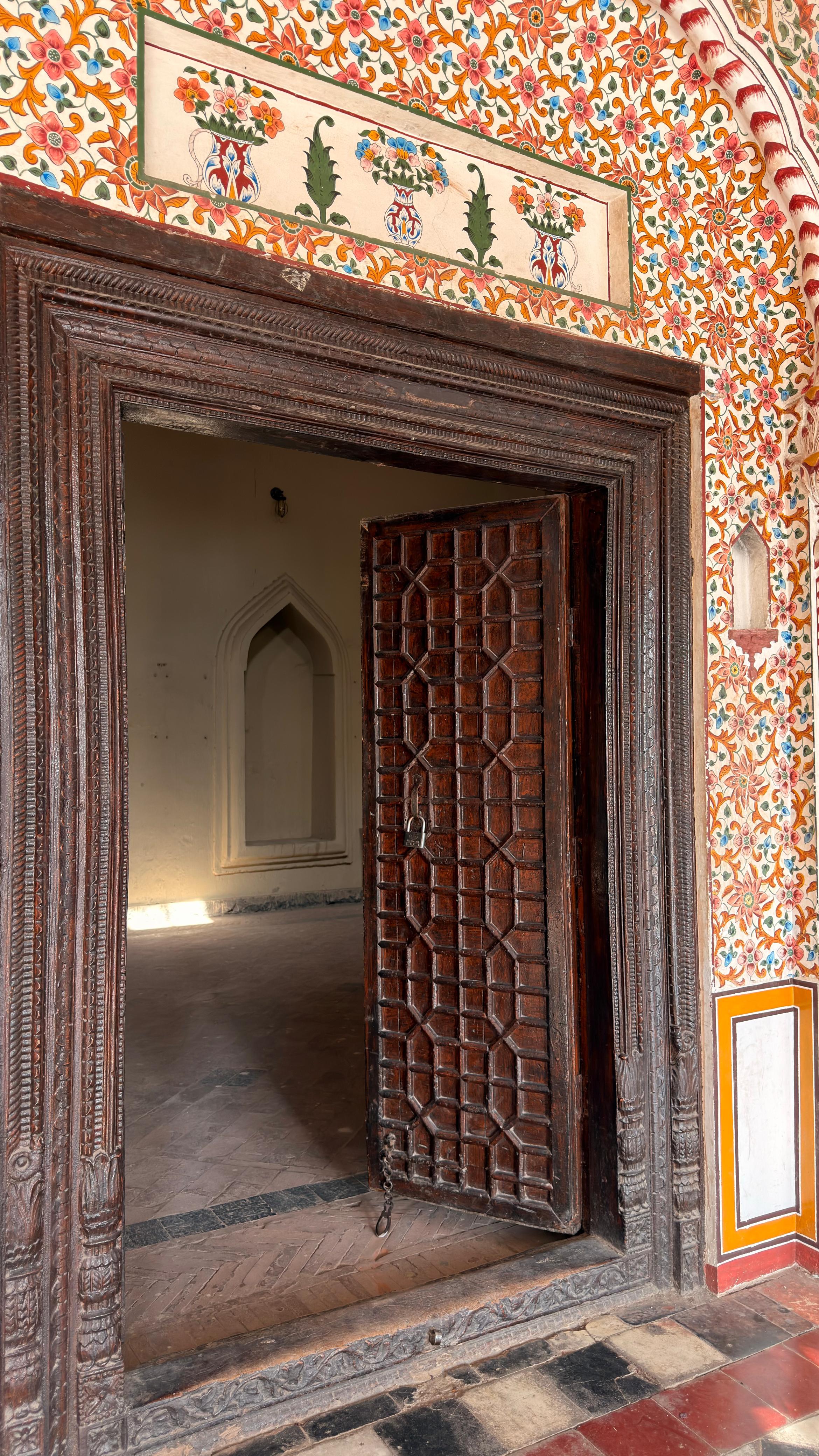
Original teak woodwork detail
The 1888 Royal Saloon carriage
Arched windows & sandstone masonry
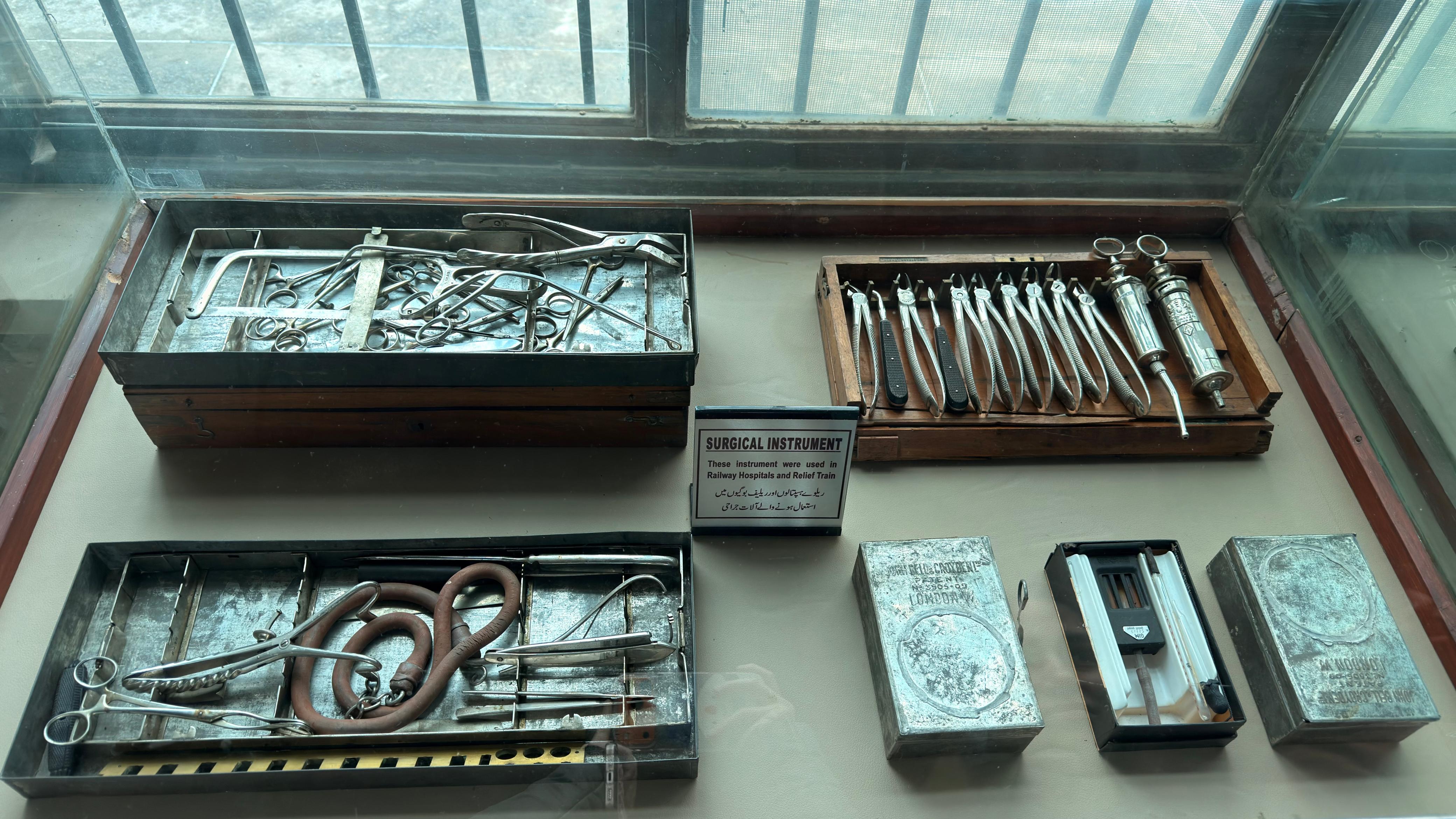
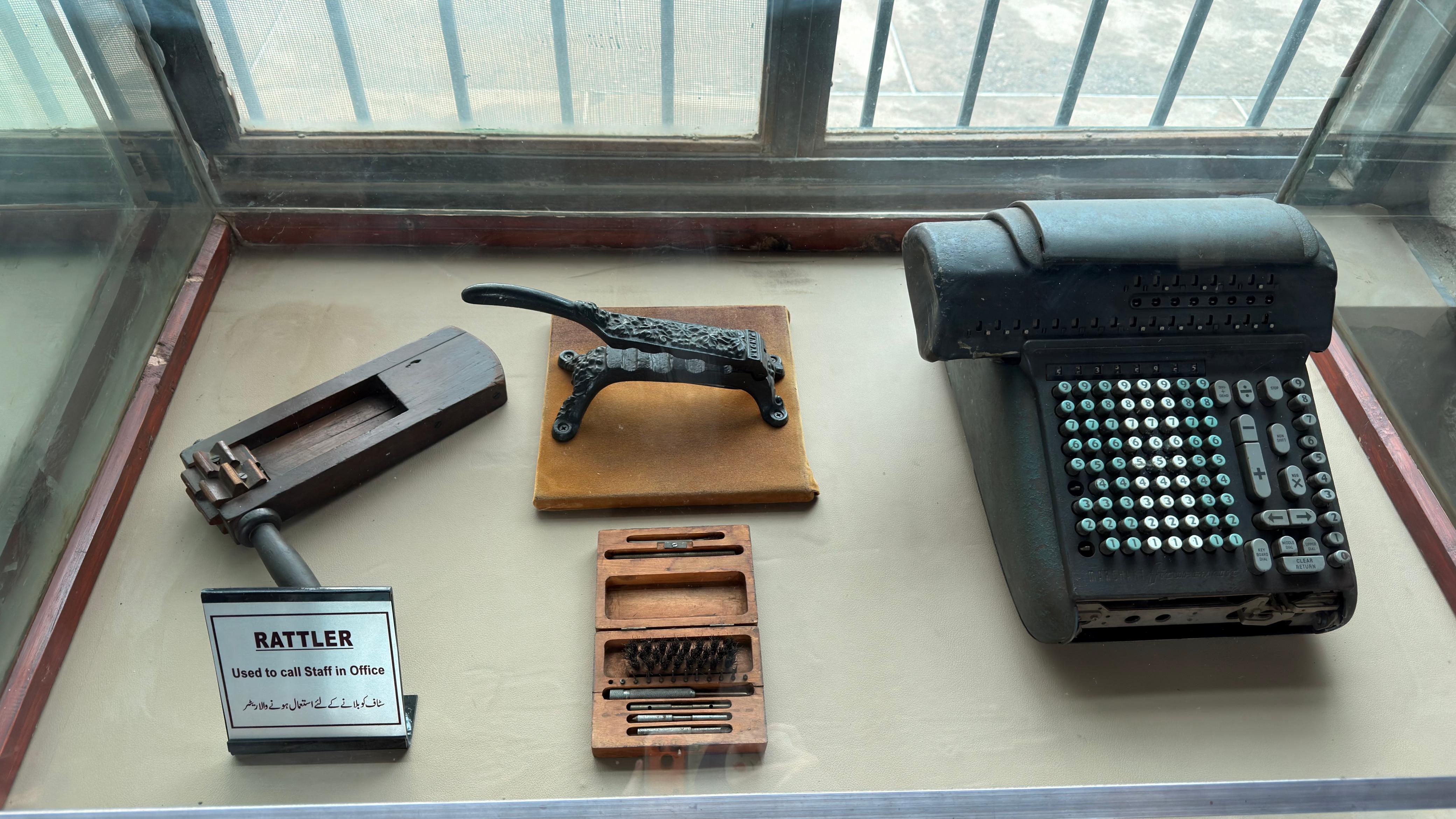
Heritage rail exhibits
Interested in preserving your heritage site?
Start a Project